

Last Updated: November 22, 2026
Quick Summary
UL 2272 certification is not a legal requirement in the UK, as no Act of Parliament or regulation says a hoverboard must carry the mark before it can be sold. It is a voluntary safety standard that tests the battery, charger and control electronics as one complete system to reduce fire risk.
- UL 2272 tests the battery pack, charger and control electronics together, not the frame, tyres, lights or brakes.
- Confirm a claim by searching the exact model number on the UL Product iQ database, as fake labels exist.
- Most battery fires trace back to overcharging, short circuits or mismatched chargers.
- Under the General Product Safety Regulations 2005, sellers must only place safe products on the market.
- An insurer may refuse a fire claim linked to an uncertified device.
Table of Contents
- What UL 2272 Certification Covers and Why It Exists
- How to Check UL Certification Before You Buy
- Hoverboard Battery Safety: Thermal Runaway, Overcharging and Charger Compatibility
- Is UL 2272 Certification Legally Required and What Happens Without It
- Certified vs Uncertified Hoverboards: What the Difference Means in Practice
- Choosing a Certified Hoverboard for Your Family
- Frequently Asked Questions
What UL 2272 Certification Covers and Why It Exists
UL 2272 certification is a safety standard for the electrical systems of self-balancing scooters and personal mobility devices. It tests the battery, charger and control electronics as one complete system. This guide explains what the standard actually proves.
The standard exists because of fire risk. Lithium-ion batteries store a lot of energy in a small space, and a badly built pack can overheat, catch fire or explode.
Here is what the standard does:
- Tests the battery pack under charge and discharge
- Checks the charger for compatibility with the pack
- Assesses the motor and control circuits
- Looks at how the device handles overheating and short circuits
- Covers the electrical system as a whole, not just one part
The thinking behind it is simple. A hoverboard is one product, so its parts must be tested together. A good battery paired with a poor charger is still a hazard.
The Electrical System and Battery Pack Under Test
The battery pack is the heart of the test. Inspectors look at the cells, the battery management system and the wiring that links them. The battery management system, or BMS, is the circuit that watches voltage and temperature and cuts power when something goes wrong.
A pack that passes has been pushed hard in a lab. Testers force overcharging, short circuits and overheating to see how the system responds. If a replacement pack is ever needed, it should carry its own certification, such as a UL 2271 certified replacement battery.
What the Standard Does Not Certify
This is where many buyers get confused. UL 2272 does not certify the frame, the tyres, the lights or the brakes. It does not test how the board handles on rough ground. It says nothing about whether the device is legal to ride on a public road.
So the mark tells you one thing well: the electrical system passed a set of fire-safety tests. It is not a full product guarantee, and it is not a licence to ride anywhere.
How to Check UL Certification Before You Buy
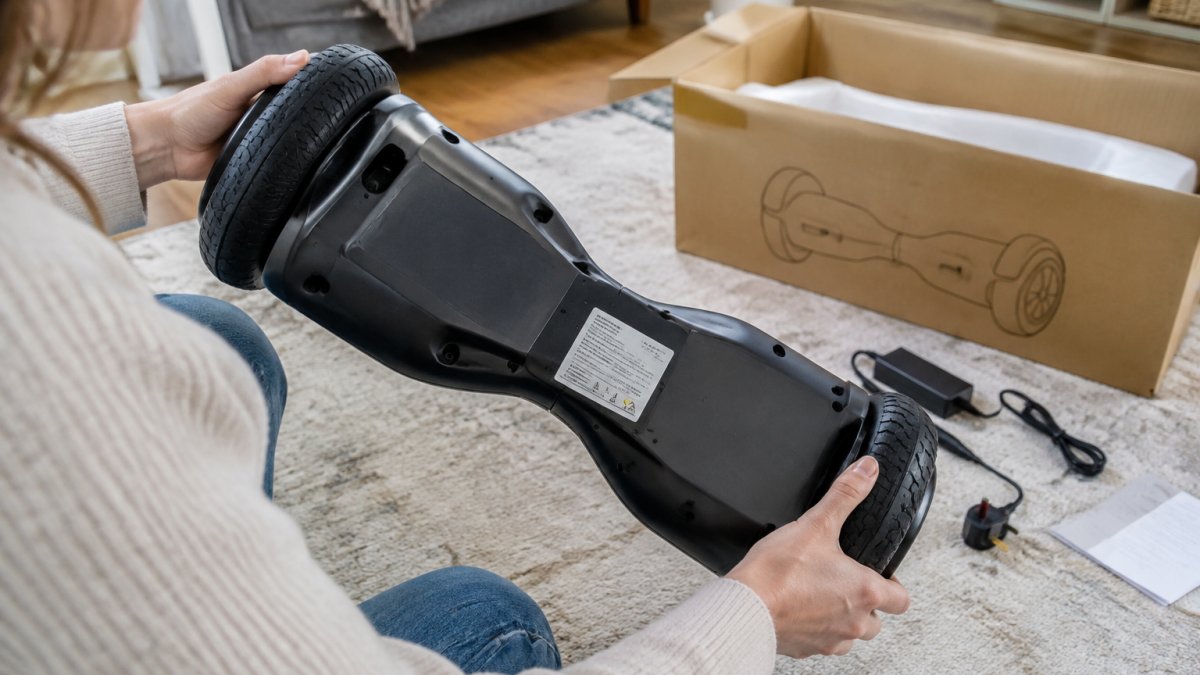
Checking a claim takes two minutes. Look for the UL mark on the product label, then confirm the model number on UL's own database. A sticker alone proves nothing, because fake labels exist.
Follow this checklist before you pay:
- Find the certification mark on the board or under the foot panel
- Note the exact model number printed on the label
- Search that model number on the UL Product iQ database
- Check the manufacturer name matches the seller
- Ask the seller for the certificate if the listing is vague
- Walk away if the seller cannot name the model or the lab
A common mistake is trusting a photo of a certificate. Certificates get copied between products. The model number is the part that matters, and it must match the board in the box.
Hoverboard Battery Safety: Thermal Runaway, Overcharging and Charger Compatibility
Battery fires start in a chain. Thermal runaway is when one cell overheats, heats its neighbours, and the reaction spreads faster than it can be stopped. It is rare, but it is the reason the standard exists.
Most incidents trace back to three causes:
- Overcharging, where a faulty charger keeps pushing power into a full pack
- Short circuits, often from damaged wiring or water getting inside
- Mismatched chargers, where a cheap unit does not match the pack's voltage
Charger compatibility matters more than people think. A fused, approved unit such as this UK hoverboard charger with a fused plug is safer than an unbranded replacement.
Charge on a hard, non-flammable surface. Do not leave a board charging overnight or unattended. Stop using a pack that looks swollen, smells odd or gets hot when idle.
Is UL 2272 Certification Legally Required and What Happens Without It
No, UL 2272 certification is not a legal requirement in the UK. No Act of Parliament or regulation says a hoverboard must carry the mark before it can be sold.
The rules that do apply are general product safety rules. Under the General Product Safety Regulations 2005, sellers must only place safe products on the market (General Product Safety Regulations 2005: Great Britain).
It also helps to separate three different questions that buyers often merge:
- Product-market rules: what a seller must do to place a board on the market. These are general safety duties, not a UL 2272 mandate.
- Vehicle-use rules: where you may ride, set by the Department for Transport and local byelaws, and applying regardless of certification. A certified board is still not legal on a public road or pavement.
- Insurance and contract rules: what an insurer, landlord or employer will accept. These are private terms, not law, and they vary.
What happens without certification? Nothing, until something goes wrong. Then the picture changes fast:
- An insurer may refuse a fire claim linked to an uncertified device
- A landlord or building manager may ban the board outright under the terms of a tenancy or lease
- A warranty claim is far harder to pursue with no paper trail
- A recall may never reach you if the seller has vanished
Watch out: some sellers imply that UL 2272 is legally required, or that a certified board is road-legal. Neither is true. Certification addresses electrical fire safety only; it says nothing about vehicle legality or rider liability.
Certified vs Uncertified Hoverboards: What the Difference Means in Practice
The difference shows up in fire risk, support and resale. A certified board has passed lab tests on its electrical system. An uncertified one has passed nothing you can verify.
| Factor | Certified board | Uncertified board |
|---|---|---|
| Electrical testing | Passed lab fire-safety tests | No verifiable testing |
| Charger match | Supplied and tested with the pack | Often generic or mismatched |
| Fire risk | Reduced, not zero | Higher and unknown |
| Warranty support | Traceable maker and model | Often no route to claim |
| Repair options | Parts and service available | Frequently none |
| Insurance and lettings | Usually accepted | May be refused or banned |
That table is the summary.
A fair comparison also has to admit the limits. Certification reduces risk; it does not eliminate it. A certified pack can still fail if it is damaged, charged with the wrong unit or left charging unattended.
How to verify a certification claim properly:
A photo of a certificate proves little on its own, so check that the model number on the label matches the certificate. The model number on the label must match the certificate and the board in the box.
On insurance, warranties and lettings, be careful with universal claims. Some insurers ask about certification for personal mobility devices; others do not.
Watch out: a low price can sometimes hide a missing charger match or a pack with no traceable maker. If a board fails, a repair service such as the ZIMX hoverboard inspection pack can check the fault safely rather than leaving you to guess.
Choosing a Certified Hoverboard for Your Family
For a family buyer, certification is the first filter, not the last. Start with a board that carries the mark, then match the model to the rider and the ground it will cover.
Here is how we would choose:
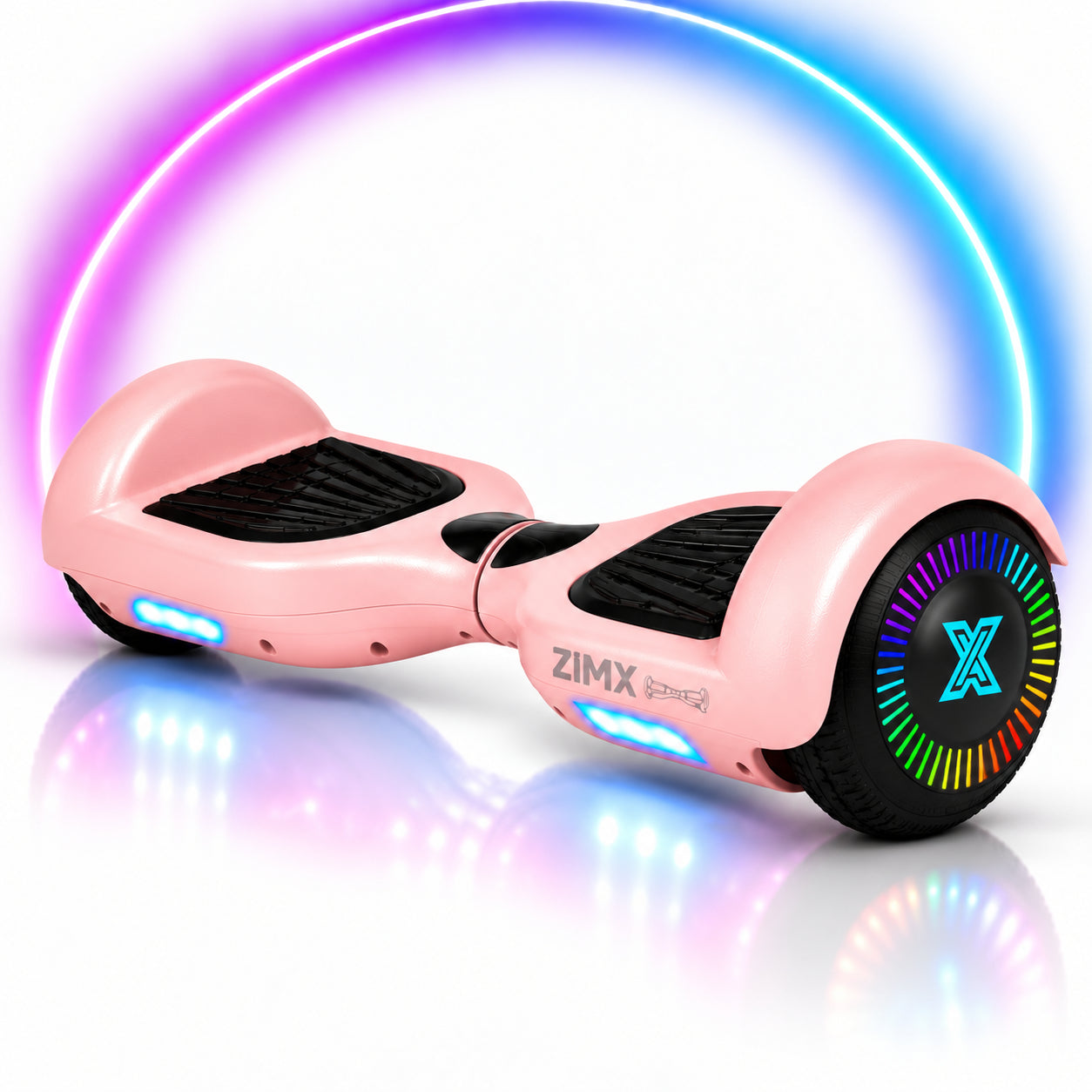
- Younger or first-time riders: a lighter 6.5-inch board for indoor and light outdoor use, like the ZIMX HB2 in Rose Gold at £129.99
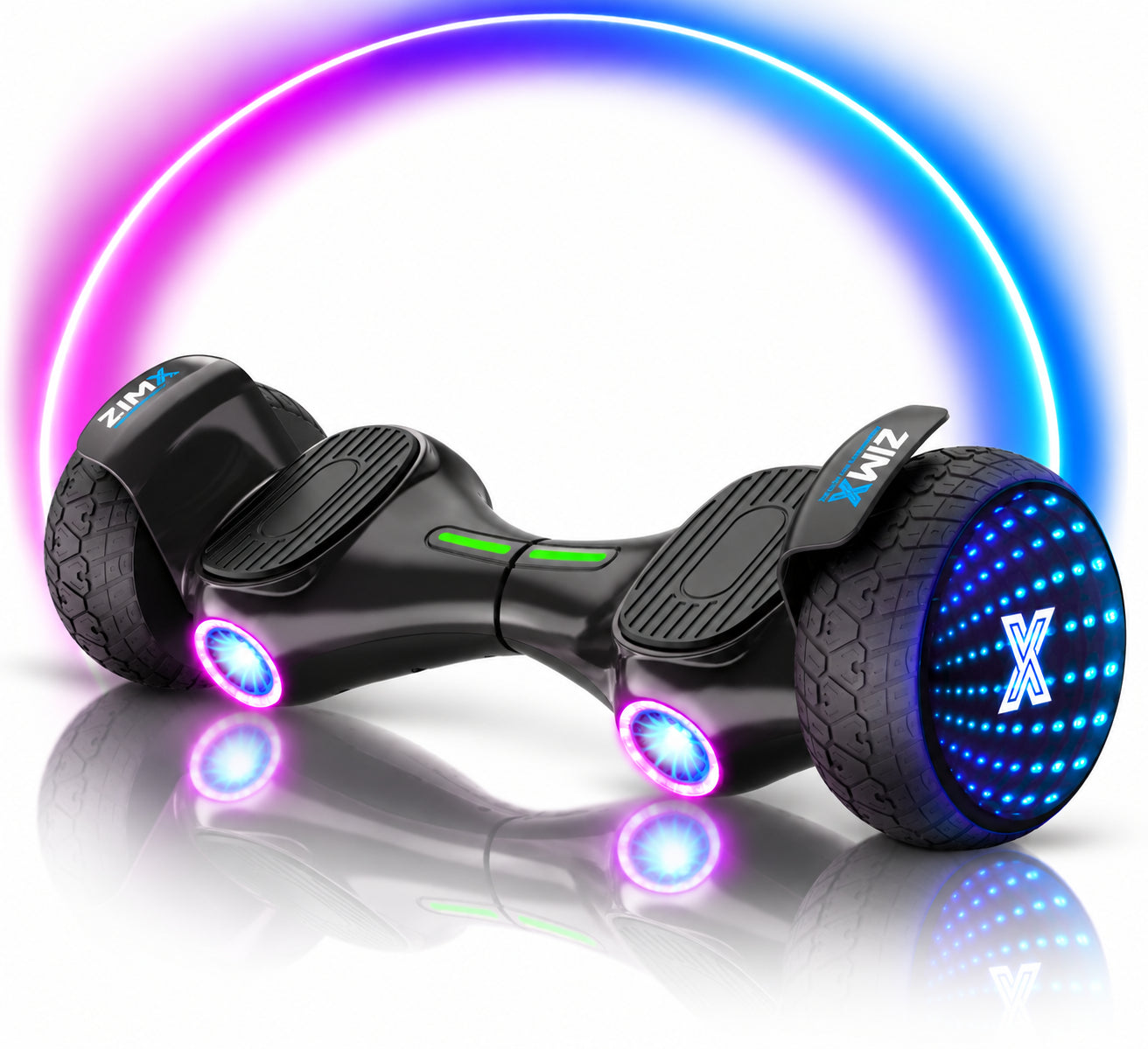
- Teenagers wanting more pace: the ZIMX G2 JET all-terrain board at £249.99, designed for off-road use
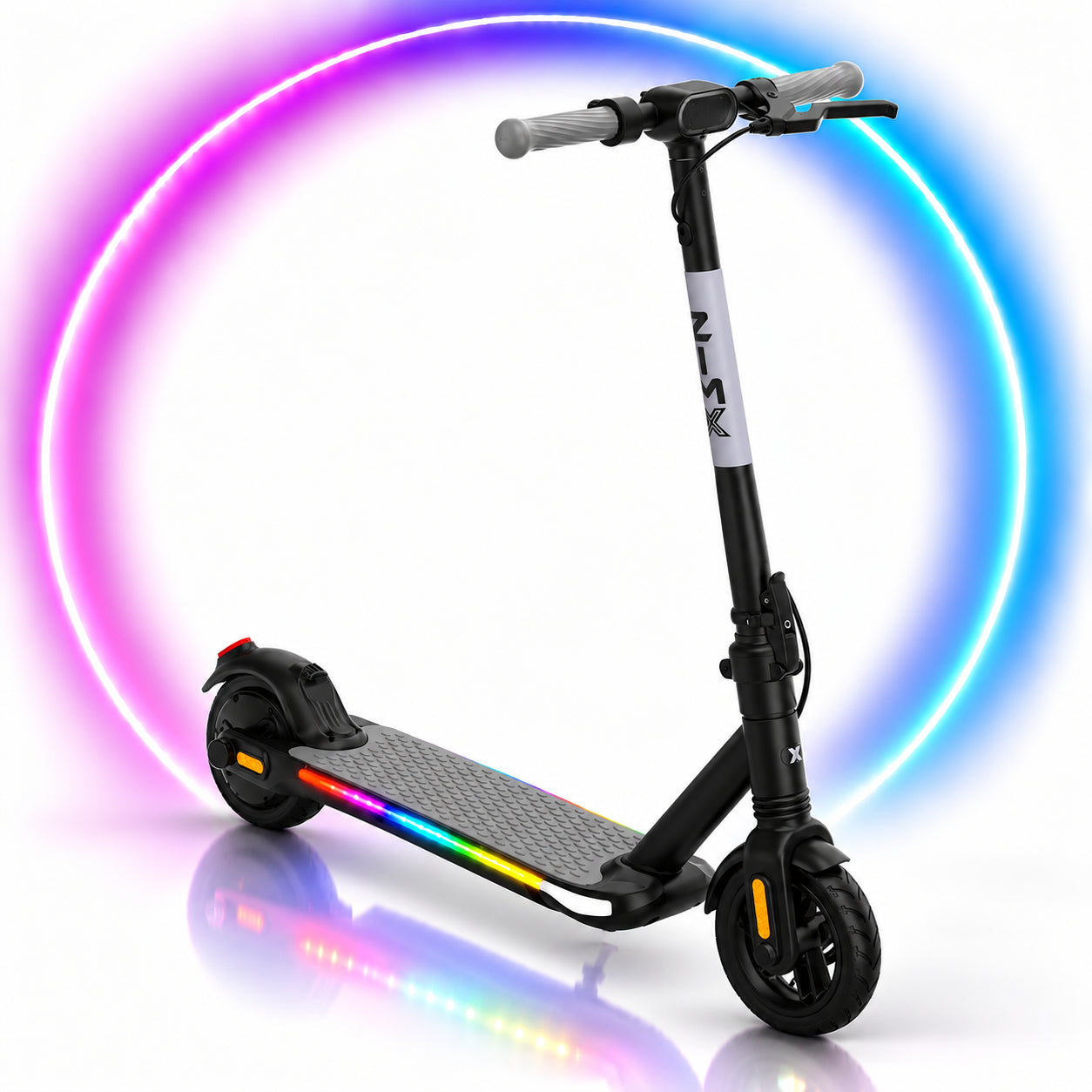
- Kids who prefer a scooter: the ZIMX ZX APEX kids e-scooter at £199.99, with a hand brake and solid tyres
Ask any seller to confirm UL 2272 certification for the exact model before you buy.
A certified board lowers the fire risk but does not remove it. The right charger, sensible charging habits and a traceable maker all matter just as much. ZIMX sells UL 2272 certified hoverboards and e-scooters with warranty cover, interest-free instalments and fast delivery, so you can choose with confidence and spread the cost.
Frequently Asked Questions
Is UL 2272 certification legally required for hoverboards?
There is no single UK statute that names UL 2272 specifically. UL 2272 is a recognised benchmark for demonstrating that electrical and fire risks have been assessed. Check official guidance for the rules that apply to sellers.
How do I check whether a hoverboard is genuinely UL 2272 certified?
Start with the label on the board itself: it should carry the UL mark, a model number and a manufacturer name that matches the listing. Then cross-check that model number against the certification body's online directory rather than trusting a logo printed on the box. Ask the seller for the certificate reference if it is not shown. Be wary of badges that say 'UL compliant' or 'UL tested' with no file number, because those phrases are not the same as a listing. A genuine certificate is tied to a specific model, not a whole brand.
Does UL 2272 certification guarantee a hoverboard is completely safe?
No. It confirms that a sample of that model passed a defined set of electrical, battery and charging tests, including overcharging, short circuit and thermal runaway scenarios. It does not cover rider behaviour, terrain, wear over time or whether the charger supplied later is compatible. A certified board ridden at speed on wet ground or charged with the wrong adapter can still fail. Treat certification as the baseline for the electrical system, then follow the charging and maintenance guidance in the manual.
Is UL 2272 the same as CE or UKCA marking?
They are different things. UL 2272 is a specific technical standard for the electrical system of a personal mobility device, tested by an independent laboratory. Checking the certification directory for the exact model confirms whether a board holds that listing.
Prices of ZIMX hoverboards and e-scooter for family buyers
